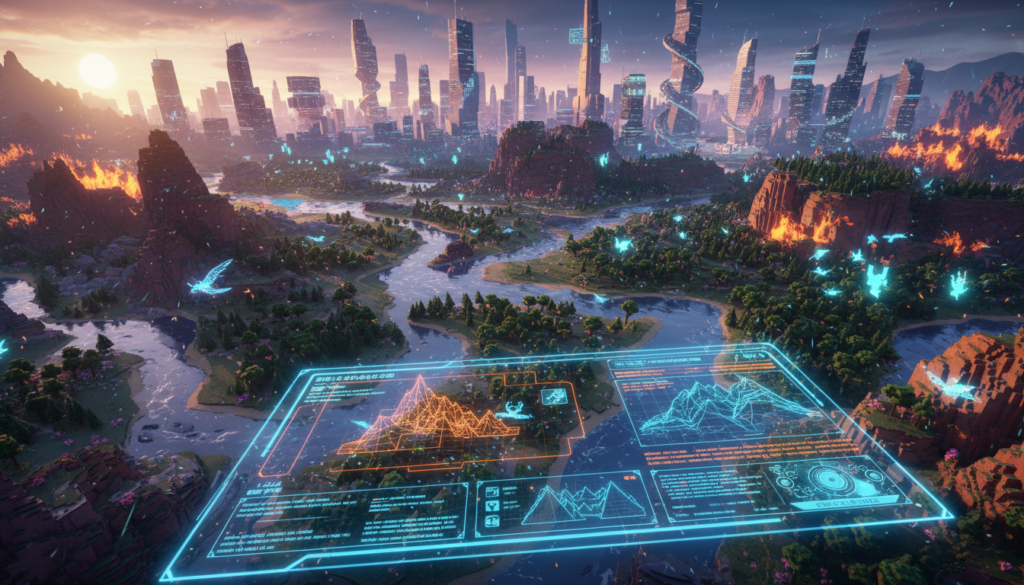

Have you noticed how games are moving from fixed worlds to endless ones that grow as you play? This change is thanks to AI procedural generation. It creates new paths and endless possibilities.
Developers are using advanced modeling to make your adventures more versatile. These new methods let your imagination run wild with epic quests.
Key Takeaways
- AI-driven tools reshape game worlds with varied environments
- Procedural generation in games brings new story paths
- Dynamic systems expand your gaming experiences
- Advanced modeling fuels deeper player engagement
- Adaptive designs unlock bold creative expression
Why Artificial Intelligence in Games Is on the Rise
Players want games that change with their actions. They want more variety and realism. So, game makers turn to AI to create these experiences.
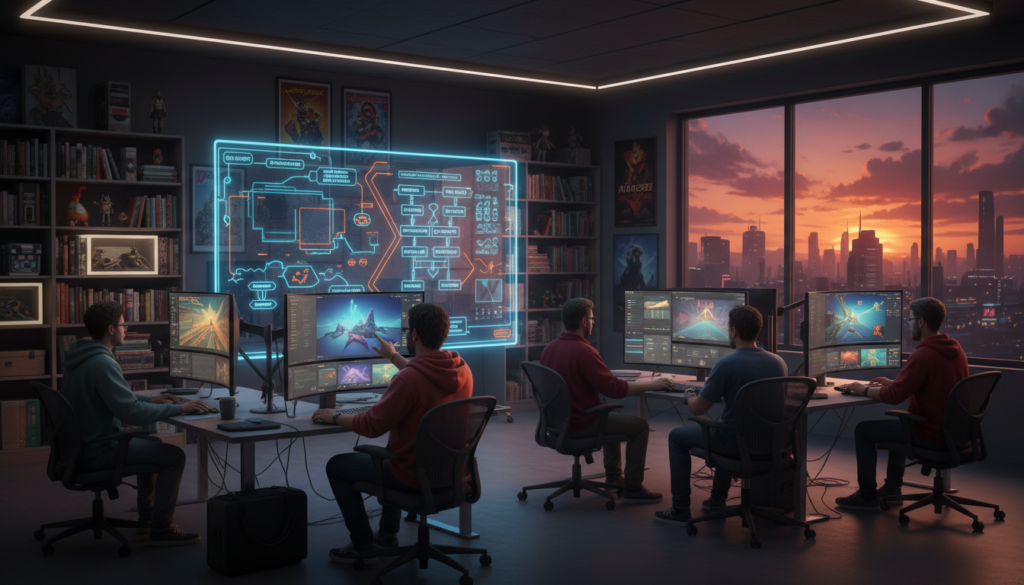
Shifting Trends in Game Development
People love stories that change every time they play. This makes you want to create games that can adapt. AI helps make characters and settings better without needing to code everything by hand.
Accelerating Game Programming Innovations
Breakthroughs make creating games easier. You can make physics, textures, and interactions with less effort. It’s like the possibilities are endless with AI.
Influences on Procedural Game Mechanics
AI lets you create worlds that change and evolve. This helps you enjoy the game again and again without getting bored. You can use algorithms that change in real time, making your games better.
Where AI Meets Traditional Game Design
You blend your creative ideas with advanced AI tools. AI works well with the rules you know, making them more interesting. Seamless level designs and smart character actions add depth to your game.
You keep your unique style while making challenges more dynamic. This mix lets you create engaging experiences that adapt to players.
Tools like Unity and Unreal Engine offer new features for puzzles or storylines. Algorithms bring new twists to old ideas, making games more fun to play again. You control your game’s essence but use AI for exciting surprises.
This blend creates a world that changes with player actions, keeping the game’s charm.
| Technique | Advantage |
|---|---|
| Procedural Content | Generates unpredictable layouts and events |
| Adaptive AI | Alters difficulty based on player behavior |
| Automated Testing | Reduces manual checks and shortens development cycles |
Key Software Algorithms Shaping Tomorrow’s Gaming
Modern game development uses a wide range of software algorithms to break new ground. These algorithms help create dynamic characters and dialogue systems that react to different situations. They automate design tasks, keeping your creative vision alive.
Deep Neural Networks and Their Game Applications
Deep neural networks make games more interactive. They predict outcomes, analyze player actions, and improve game events. This means you can test and refine games faster, thanks to AI’s ability to generate new ideas.
Procedural Content Creation Through Machine Learning
Machine learning, like reinforcement learning or generative adversarial networks, creates endless stories and worlds. It lets your team focus on making each player’s experience unique and thrilling. This approach saves time and boosts development speed.
| Algorithm | Primary Focus | Key Benefit |
|---|---|---|
| Deep Neural Networks | Real-Time Adaptation | Responsive AI Behaviors |
| GANs | Auto-Generated Assets | Limitless Visual Diversity |
| Reinforcement Learning | Complex Decision-Making | Self-Learning Game Agents |
The Role of Random Level Generation in Player Engagement
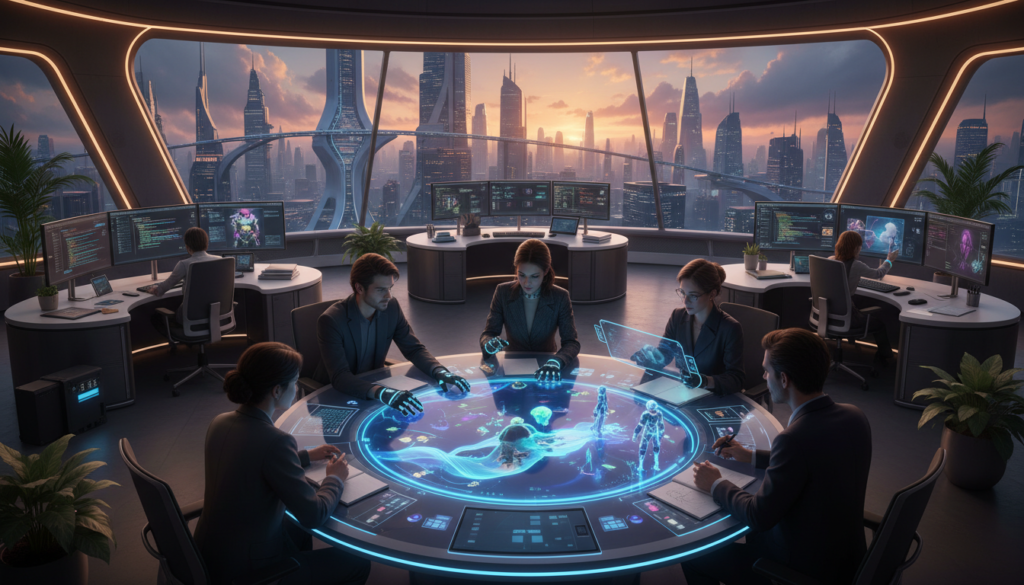
Creating levels that change with each play can spark wonder in players. Random elements make each environment feel new and exciting. This method, fueled by game programming, keeps players guessing as new paths and secrets emerge.
Providing Endless Variety Through AI
Procedural tools quickly generate diverse layouts. When used with engines like Unity, they create endless map tiles and unexpected enemy placements. This enriches the game experience.
Balancing Challenge and Fairness
This evolving design adjusts to the player’s progress, keeping the game exciting. AI tracks performance and adjusts difficulty levels. This ensures challenges are tough but not impossible to overcome. Even loot drops are carefully balanced to keep players satisfied and avoid frustration.
Enhancing Replay Value for Gamers
These strategies make players want to play again and again. By using game programming to change layouts, you keep players curious. They’ll dive deeper into your game each time they play.
How Procedural Generation in Games Expands Creative Boundaries
Artificial intelligence in games opens up endless possibilities for designers. It lets you change environments quickly, making development a dynamic process. Random elements lead to new discoveries, sparking your creativity and thrilling players.
Emergent storylines captivate audiences with their surprises. A small change in a character’s behavior can affect the entire game world. This encourages players to explore and interact with your creation.
Empowering Your Vision as a Designer
Creating assets manually can be draining. Artificial intelligence in games automates these tasks, freeing up your time for creativity. It speeds up tasks like level design and character interactions, removing the drudgery.
Fostering Dynamic Storytelling Opportunities
Unpredictable outcomes allow you to change the story based on player choices. This method keeps players curious as new storylines unfold. It turns gamers into co-creators, making their experience more personal and engaging.
Opinions on Integrating Automated Technologies into Game Programming
Innovation is changing game programming. Automated systems now handle tasks like randomizing assets or creating vast worlds. This frees you to focus on storytelling.
But finding the right balance is key. Some fear too much automation could lose the game’s core identity.
Discussing automated methods brings up questions about creative freedom. Procedural content creation adds new elements that surprise players. It brings a sense of organic variety.
You choose how much control to keep. Finding a balance helps your project grow while staying true to your vision.
- Use procedural content creation for unique map layouts
- Let algorithms handle repetitive tasks
- Test often to improve results
Unity and Unreal Engine show how to mix advanced algorithms with creativity. You keep the machine’s work in check, making sure each piece feels real and engaging.
Collaboration Between Human Insight and AI Innovation
When you mix your creative ideas with AI’s data insights, magic happens. AI can create countless versions quickly. Your touch makes these ideas come to life in a way that players love.
You understand the emotions and themes behind each level. This lets you build worlds that feel real and engaging.
- AI explores vast design possibilities faster than any single team.
- Embrace random level generation for quick prototyping and fresh ideas.
With AI’s help, you can try out many ideas fast. This lets you spend more time on the stories and details that matter most. You can tweak the game’s feel and look while AI makes each level perfect.
This teamwork keeps your vision alive and makes the game ready faster. Players get an experience they’ll never forget.
Pioneering Perspectives on Artificial Intelligence in Games
You have the power to shape tomorrow’s entertainment. AI-driven changes are sparking debates on how virtual worlds can meet your creative goals and player well-being. Tools like self-learning environments and procedural game mechanics offer endless ways to amaze audiences. But, you must also consider moral responsibilities.
Ethical Considerations for Your Development Process
It’s important to understand the impact of your designs. When you tune neural networks or set parameters for adaptive characters, you set the stage for honesty or bias. Keeping fairness and transparency in your engine builds player trust and promotes ethical awareness.
Promoting Inclusivity Through Automated Design
Everyone deserves to feel at home in digital spaces. Using procedural game mechanics to promote inclusion means creating diverse options for avatars, stories, and skill levels. A wider range of experiences invites more people to explore your creations and fosters a sense of belonging.
Examples of AI Tools Supporting Inclusive Gaming
| Platform | Key Feature |
|---|---|
| Unity | Integrated toolkits for adaptive content |
| Unreal Engine | Blueprint workflow for procedural levels |
| Godot | Open-source modules for real-time customization |
Strategic Forecasts for AI-Driven Game Projects
As you look to the future, you see endless chances for innovation. Changes in algorithms and new consoles will make you rethink your development process. Big studios might dive into automated tools, while smaller ones can try new things quickly and affordably.
Being flexible is key to keeping up with the industry. Working with others from different fields can bring new ideas to your games. With new standards coming fast, being ready to change is essential.
- Regular testing cycles that respond to hardware improvements
- Ongoing research into refined AI prototypes
- Partnerships that accelerate shared learning
| Predicted Enhancement | Potential Outcome |
|---|---|
| Enduring Algorithmic Upgrades | Stronger replay value and deeper world-building |
| Streamlined Code Structures | Shorter dev cycles and reduced production costs |
| Expanding Virtual Worlds | Broader player engagement and lasting appeal |
Empowering You to Shape the Gaming Frontier
Innovation in AI-driven design starts with your vision. Every step you take opens new paths for players. It uses AI techniques to spark imagination. Knowledge is your most powerful tool, fueling new ways to create dynamic spaces and stories.
By mastering core methodologies, you break free from old ways. This choice lets you create unique worlds. It invites discovery and interaction that goes beyond what’s familiar. True growth comes from trying new ideas and staying curious about every possibility.
- Investigate emerging tech to expand your creative range
- Refine design strategies to fit evolving player needs
- Retain control of each automated process through active learning
Your commitment to experimentation guides tomorrow’s adventures. These bold moves shape your thriving presence in the gaming frontier. They set a new benchmark for forward-thinking entertainment.
Enhancing Player Freedom with Procedural Game Mechanics
Dynamic systems open up endless possibilities in virtual worlds. Players make their own choices, creating unique stories. This leads to memorable experiences that show off their personal style.
It brings new ideas and encourages players to explore. Each playthrough is different, unlike scripted stories.
From Conceptualization to Execution
Start with a solid plan to guide your work. Research well before you begin coding. Think about how procedural logic fits with your vision.
Use early prototypes and test environments to spot issues. This ensures your game stays coherent as new content is added.
Test often, and refine your algorithms. This keeps the game exciting and fair, with challenges that are fun.
Overcoming Common Pitfalls in AI-Driven Content
Games with unpredictable layers are exciting but challenging to make. Debugging complex AI models takes time and patience. Be ready to change things if parts feel too repetitive.
Adjusting variables helps avoid endless loops. Use structured solutions to keep your game creative and engaging.
| Common Pitfall | Quick Solution |
|---|---|
| Repetitive outcomes | Introduce algorithmic unpredictability |
| Poor balancing | Run tiered playtests for different skills |
| Lack of replay value | Rotate content seeds to spark fresh scenarios |
Conclusion
Now is the perfect time to use AI procedural generation in your work. This tech boosts design, player experience, and game ethics. It lets you explore new heights in creativity.
Every innovation is a chance to improve your approach. Your values of responsibility, creativity, and empathy guide AI’s limits and possibilities. This focus on fair gameplay makes games more engaging and just for everyone.
As AI grows, you lead the way. Your human touch adds warmth and depth to AI’s ideas. This tech can bring new strategies, levels, and stories to life.
By embracing this technology, you become a trailblazer in game evolution. Let ethics, invention, and curiosity guide you. Stay open to new ideas that expand what games can offer. Dive into this creative era and watch your projects grow with endless possibilities.
FAQ
What is procedural generation in games?
Procedural generation in games uses algorithms to create content on the fly. It makes varied environments, stories, or characters without coding every detail. This method saves time and makes each play unique.
How does random level generation enhance player engagement?
Random level generation offers unexpected environments that surprise players. Algorithms shuffle elements like enemy placement and puzzles, making each play fresh. This keeps players excited and eager to explore more.
Why is artificial intelligence in games growing so quickly?
AI is key in modern game development because it offers deeper, more adaptive challenges. It uses machine learning to create believable characters and balance difficulty. This meets players’ desire for complex and unpredictable games.
What is the role of procedural content creation in game programming?
Procedural content creation automates the creation of assets like textures and maps. It reduces repetitive tasks, allowing you to focus on design. This approach helps scale projects without losing innovation or personal touch.
How do procedural game mechanics benefit you as a designer?
Procedural game mechanics create systems that adapt to player actions. Algorithms adjust difficulty based on in-game data, ensuring a unique experience. This keeps the game fresh and allows players to shape their journey.
What are common challenges in implementing advanced AI systems?
Integrating advanced AI can be tough due to high demands, tuning, and avoiding frustration. Balancing reactive systems with predictable patterns is key to a fair and fun game.
Can you maintain creative control with automated systems?
Yes. Even with automated systems, you guide the overall direction. You set constraints, themes, and narrative arcs. This way, you ensure the content reflects your vision while benefiting from algorithmic spontaneity.